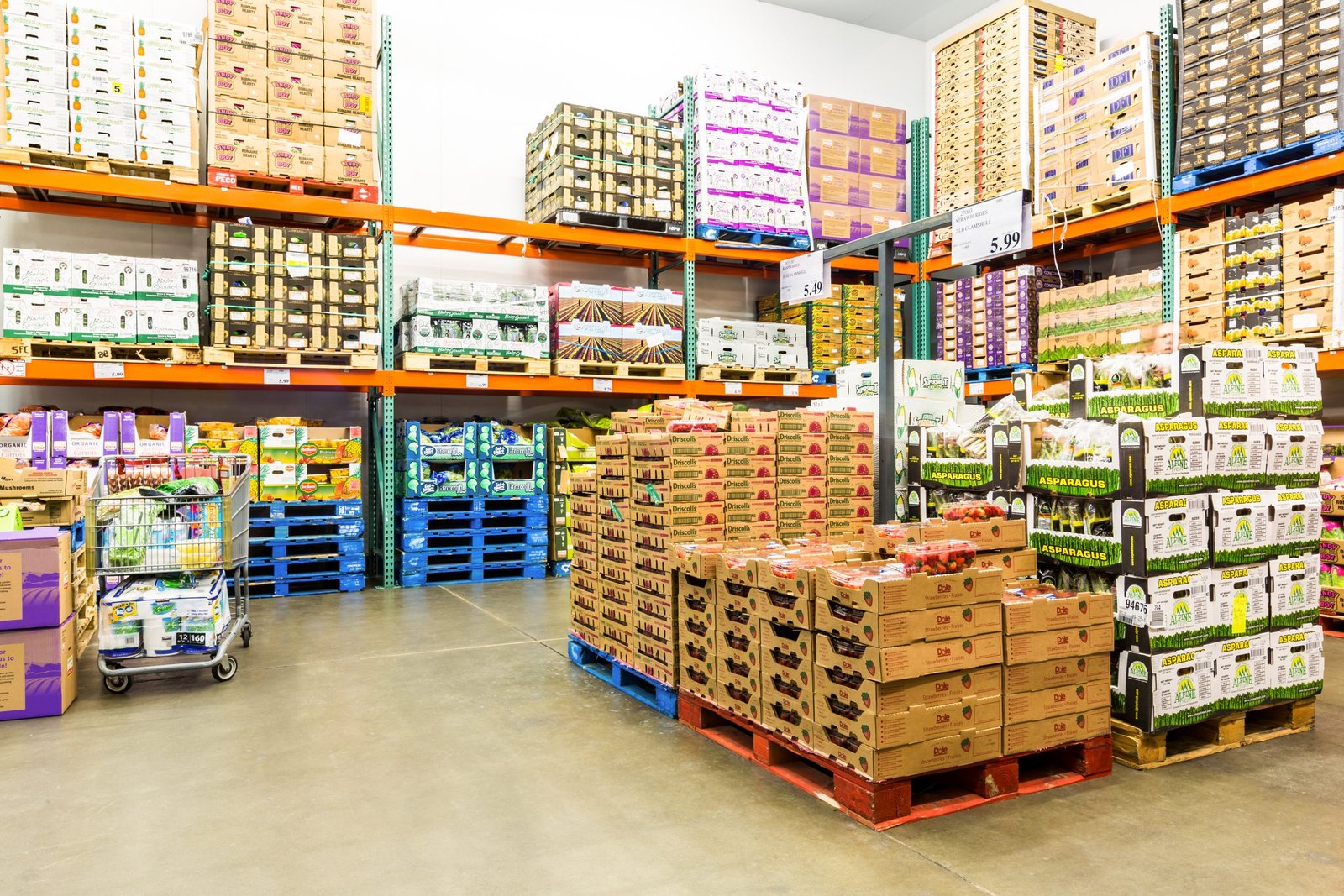

Venturing into wholesale purchasing is an exciting step for any retailer. It signals growth, the potential for better margins, and the ability to offer customers a wider selection. However, buying wholesale is a different game than purchasing items at retail. It requires strategy, research, and a clear understanding of the process to avoid costly mistakes.
This guide walks you through the essential steps and considerations every retailer should know before placing their first (or next) wholesale order.
Why Wholesale Matters for Your Retail Business
Wholesale buying is the backbone of most retail operations. It allows you to purchase products in bulk at a discounted price per unit, giving you the room to set retail prices that cover your costs and generate profit. Beyond just lower prices, buying wholesale enables you to maintain consistent inventory, offer competitive pricing, and build relationships with suppliers who can become valuable partners in your business growth.
Before you start browsing catalogs and placing orders, take a step back. A successful wholesale strategy begins long before you click “add to cart.”
Step 1: Know Your Business and Your Customer
It may sound obvious, but knowing exactly what you need is the foundation of smart wholesale buying. This starts with a deep understanding of your own business and your target customers.
Analyze Your Sales Data
Review your sales history to identify your best-selling products, seasonal trends, and slow movers. Which items consistently fly off the shelves? Which ones gather dust? Let the data guide your purchasing decisions. A deep dive into your inventory turnover rates can reveal what you should be ordering more of and what you might want to discontinue.
Understand Your Customer
What do your customers truly want? What price points are they comfortable with? Engage with them through surveys, social media, or casual in-store conversations. Understanding their preferences, budget, and lifestyle will help you curate a selection that resonates with your audience.
Define Your Budget
Establish a clear budget for your wholesale purchase. This includes not just the cost of the goods, but also shipping, customs duties (if importing), and potential storage costs. Stick to your budget to maintain healthy cash flow. Avoid the temptation to overbuy just because a deal seems too good to pass up.
Step 2: Finding the Right Wholesale Suppliers
With a clear understanding of your needs, it is time to find suppliers who can meet them. This is one of the most critical steps in the wholesale buying process. A reliable supplier can be the difference between a smooth operation and a frustrating one.
Start Your Research
There are many ways to find wholesale suppliers. B2B online platforms are excellent starting points, offering vast directories of suppliers from around the world. Trade shows in your industry are another valuable resource, giving you the opportunity to see products firsthand, meet suppliers in person, and network with other professionals. Don’t overlook local and regional trade associations, which often have directories of member suppliers.
Vet Potential Suppliers
Once you have a list of potential suppliers, it is time to do your homework. Look into their reputation by checking reviews, testimonials, and industry ratings. Assess their reliability by inquiring about their production lead times and whether they consistently meet delivery deadlines. Evaluate their product quality by asking for samples before committing to a large order.
Ask the Right Questions
Before you agree to a partnership, get all the important details down in writing. Minimum order quantities (MOQs) are a common requirement. Are they flexible? What are the payment terms? Is a deposit required upfront? What is the policy on damaged, defective, or unsold goods? How will you handle returns? What is the typical production and shipping timeline? Getting these details clarified upfront can save you from surprises later.
Consider Their Communication
Effective communication is a cornerstone of a strong supplier relationship. Pay attention to how promptly and clearly they respond to your inquiries during the vetting process. A supplier who is difficult to reach before you place an order is unlikely to become more responsive afterward.
Step 3: Understanding Costs and Pricing
Wholesale buying is not just about the price per unit. The total cost of your order involves several components, and understanding them is crucial for setting profitable retail prices.
Calculate the Full Cost of Goods
This goes beyond the wholesale unit price. You must factor in all the “hidden” costs that contribute to getting a product from the factory to your shelf. This can include packaging costs, freight and shipping charges, insurance, import duties and taxes, and warehousing fees.
Determine Your Retail Pricing
Once you know your total cost per unit, you can determine your retail price. A common starting point is to use a keystone markup, which is roughly doubling the wholesale price. However, this is just a starting point. Consider your market positioning, competitor pricing, and customer willingness to pay to arrive at a final price that is both profitable and competitive.
Think About Margins
Your profit margin is the percentage of the retail price that is profit. Healthy margins are essential for covering your business’s operating expenses, such as rent, wages, marketing, and utilities. Aim for a profit margin that allows your business to thrive.
Step 4: Evaluating Quality
In a world of online images and descriptions, it is vital to ensure you are getting what you pay for. Product quality can make or break your reputation as a retailer.
Always Request Samples
Never place a large bulk order without first inspecting a physical sample of the product. Seeing and feeling the item yourself is the only way to truly assess its quality, craftsmanship, and materials. This is particularly critical for products where the feel, weight, or finish is a major selling point, such as textiles, jewelry, or electronics.
Check Product Specifications
Scrutinize the product specifications provided by the supplier. Are the dimensions, materials, and certifications as advertised? What safety standards or certifications does the product meet? Asking about certifications can be a way to verify product quality and origin.
Assess Your Packaging Options
The packaging is not just about aesthetics; it’s about protection. Ensure the supplier’s packaging is sturdy enough to protect the products during transit to your store or warehouse. If you offer gift packaging or have a specific unboxing experience in mind, you’ll also need to factor that into your selection.
Step 5: Negotiating
Many retailers are hesitant to negotiate with suppliers, but this can be a missed opportunity. Suppliers often expect some level of negotiation, especially for larger orders.
Know Your Leverage
Your bargaining power often increases with the size of your order. If you are willing to order more, you may be in a stronger position to negotiate a lower per-unit price. Being a consistent and reliable customer can also give you leverage over time.
Find Common Ground
Negotiation is not just about driving the price down. You might be able to negotiate better payment terms, a lower MOQ, or a more favorable shipping arrangement. It’s about finding a solution that works for both parties.
Be Polite and Professional
A respectful, professional tone is more effective than an aggressive one. Remember, you are building a long-term business relationship. Approaching negotiations as a partnership can lead to a more favorable outcome for both sides.
Step 6: Managing Logistics and Fulfillment
Getting your products from the factory to your customers is a key part of the wholesale process. Logistics and fulfillment require careful planning.
Understand Shipping Terms
You will encounter shipping terms like FOB, CIF, and EXW. These terms define who is responsible for the cost, risk, and insurance of the goods during transit. Understanding these terms is critical to avoid unexpected charges and delays. The chosen shipping term is often a key point to agree upon and should be clearly stated in your contract.
Plan for Lead Times
Be realistic about lead times. Factor in production time, shipping time, and any potential customs delays. Plan your order schedule so your inventory arrives when you need it, not when it’s too late. Establish a clear system for receiving, inspecting, and restocking new inventory.
Consider Warehousing and Storage
Where will you store your new inventory? Ensure you have adequate storage space and a system for managing inventory levels. An efficient system helps you track stock, prevent overselling, and identify which items are moving quickly.
Step 7: Building Long-Term Supplier Relationships
The best wholesale relationships are built on trust and mutual benefit. A strong relationship can lead to better terms, first access to new products, and a more reliable supply chain.
Communicate Openly
Keep your supplier informed. If you are planning a promotional campaign or expect a surge in sales, let them know so they can prepare. If an issue arises, communicate it honestly and work together to find a solution.
Be a Reliable Partner
Pay your invoices on time and honor your commitments. Being a reliable customer makes you a preferred partner and gives you more leverage when you need something.
Provide Feedback
Share customer feedback with your supplier. If your customers love a product, let the supplier know. If they have complaints, share those too. Good suppliers value feedback that can help them improve their products.
Final Checklist for Your First Order
Before you finalize your first wholesale order, run through this checklist to ensure you are prepared:
- □ I have analyzed my sales data and know what products to order.
- □ I have a clear understanding of my target customer and their preferences.
- □ I have set a realistic budget for this purchase.
- □ I have researched multiple suppliers and vetted their reputation.
- □ I have asked about MOQs, payment terms, return policies, and shipping timelines.
- □ I have requested and inspected physical samples of the products.
- □ I have calculated the full cost of goods, including shipping, duties, and taxes.
- □ I have determined my retail pricing and target profit margin.
- □ I have read and fully understood the supplier’s contract and shipping terms.
- □ I have a plan for storing, tracking, and selling the new inventory.
Conclusion
Wholesale buying is a skill that develops with experience. It requires research, strategy, and a willingness to learn. By taking the time to understand your business, vet suppliers, calculate costs, and build relationships, you can create a wholesale strategy that drives growth and profitability.
Start small if you are new to wholesale. Place a test order with a new supplier before committing to a large quantity. Learn what works for your business, and refine your approach over time. With patience and the right approach, wholesale buying can become a powerful engine for your retail success.
