
Finding the perfect umbrella for your outdoor space or beach day isn’t just about picking a color you like. Choosing the right size ensures you get proper shade coverage, stability in the wind, and an overall enjoyable experience. Whether you’re shopping for a patio umbrella to shade your outdoor dining table or a beach umbrella for a day by the shore, this guide will help you make the right choice.
Why Size Matters
The size of your umbrella directly affects how much shade you get, how stable it stands, and how well it fits your space. An umbrella that is too small leaves you squinting in the sun, while one that is too large may be difficult to handle, prone to tipping, or simply overwhelming for your space. Getting the size right means better comfort, better protection, and better value for your money.
For Patio Umbrellas: Shading Your Outdoor Living Space
When choosing a patio umbrella, consider where you plan to use it. The most common setup is shading a dining table, but you might also want shade for a lounge area, a poolside seating group, or even a small bistro set.
Consider Your Table or Seating Area
For a standard dining table, your umbrella should extend beyond the edges of the table to provide shade for everyone seated. A good rule of thumb is to choose an umbrella that is at least a couple of feet wider than your table’s diameter or length. For example, a medium-sized table typically pairs well with an umbrella that provides generous overhang, ensuring your guests stay cool without having to crowd together.
If you’re shading a lounge area, think about the layout of your furniture. A larger umbrella or even a cantilever design might be better suited for covering a sofa set or multiple chairs spread across a patio.
Shape Matters Too
Patio umbrellas come in various shapes. Round umbrellas are classic and work well with round or square tables. Octagonal or rectangular umbrellas offer more targeted shade for rectangular tables or longer seating arrangements. Consider the shape of your furniture and the layout of your space when making your decision.
Space and Clearance
Beyond the table, think about your patio’s surroundings. Measure the area where the umbrella will stand. Make sure there’s enough clearance for the umbrella to open fully without hitting walls, railings, trees, or other structures. Also consider the height of the umbrella—it should be tall enough for people to walk comfortably underneath without ducking, yet low enough to provide effective shade.
Wind Considerations
Larger umbrellas catch more wind. If you live in a windy area, a very large umbrella might be difficult to manage and could be more prone to damage. In such cases, consider a vented canopy design that allows air to pass through, reducing wind resistance. Some patio umbrellas also feature tilt mechanisms, which allow you to angle the canopy as the sun moves, keeping you shaded without having to reposition the entire umbrella.
For Beach Umbrellas: Staying Cool by the Water
Beach umbrellas have different priorities than their patio counterparts. Portability, lightweight materials, and anchoring are key factors to consider.
Think About How Many People You Need to Shade
Are you heading to the beach solo, as a couple, or with a family? A smaller umbrella might be perfectly adequate for one or two people lying side by side, while a larger one is better suited for families or groups. Consider the typical size of your beach crew and choose accordingly.
Portability Matters
You’ll be carrying your beach umbrella from the car to the sand, often along with chairs, coolers, and bags. A larger umbrella tends to be heavier and bulkier, which can be a challenge if you have a long walk. Look for lightweight materials like aluminum poles and fiberglass ribs that offer strength without the extra weight. A carrying bag with a shoulder strap is a thoughtful feature that makes transport much easier.
Anchoring and Stability
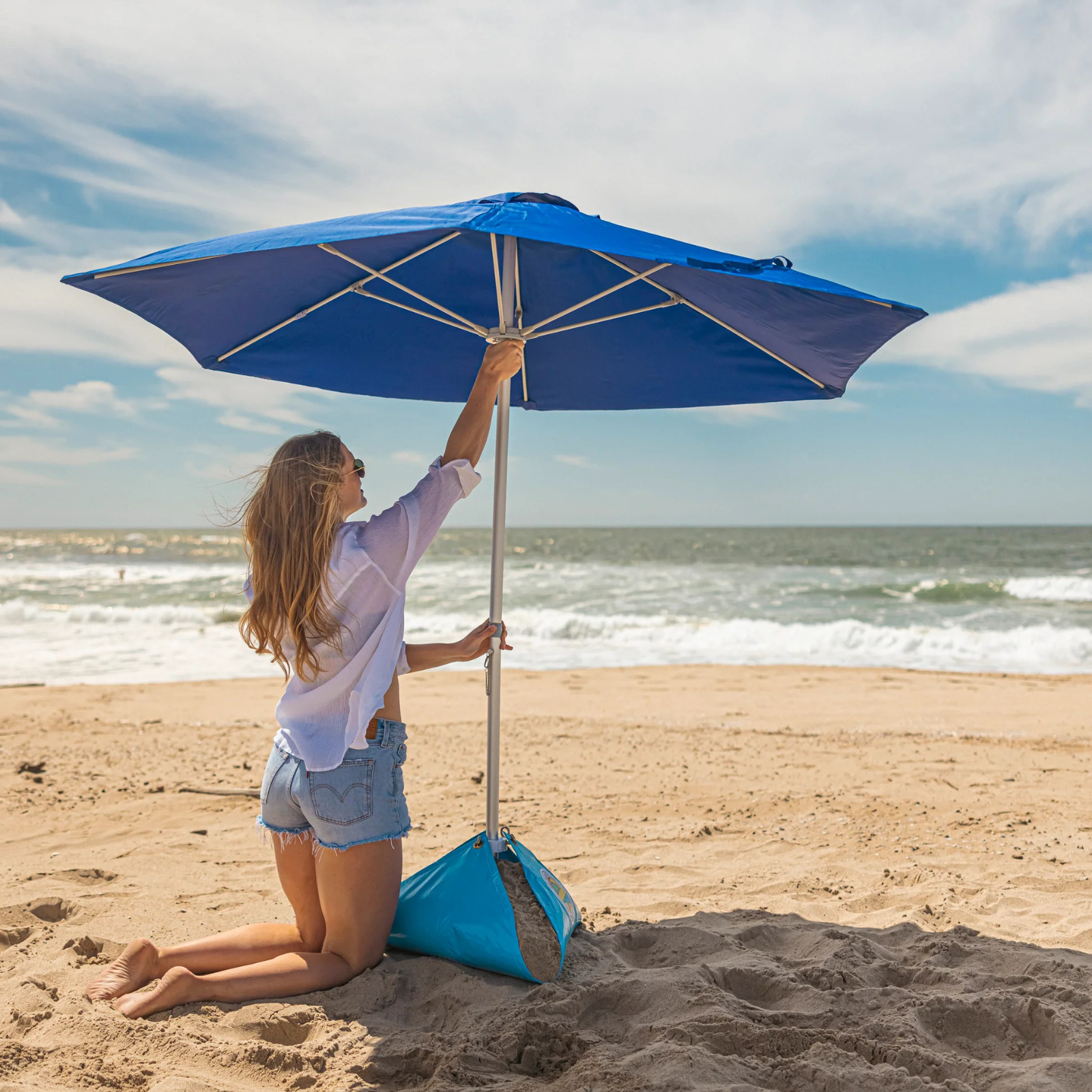
Sand is an unstable surface, and coastal winds can be unpredictable. Your umbrella needs a reliable anchoring system. Many beach umbrellas come with auger-style bases that twist into the sand, or you can purchase a separate sand anchor. Some designs also feature a built-in sand pocket at the base that you can fill for added weight. The larger your umbrella, the more secure your anchoring system needs to be.
Sun Tracking
One of the challenges with beach umbrellas is that the sun moves throughout the day, and with it, your shade shifts. Some beach umbrellas feature a tilt mechanism that allows you to angle the canopy to follow the sun. Others are designed with a simple straight pole, requiring you to reposition the entire umbrella periodically. If you plan to spend a full day on the beach, a tilting feature is worth considering.
Venting for Wind
Just like with patio umbrellas, venting is a helpful feature for beach umbrellas. A vented canopy allows wind to flow through, reducing the strain on the frame and preventing your umbrella from becoming a sail. This is especially important on breezy coastal days.
Comparing Patio Umbrellas and Beach Umbrellas
While both serve the same basic purpose—providing shade—patio umbrellas and beach umbrellas are designed for very different environments.
| Feature | Patio Umbrella | Beach Umbrella |
|---|---|---|
| Frame Material | Heavy-duty aluminum, wood, or steel | Lightweight aluminum or fiberglass |
| Base | Heavy base (stand, table hole, or weights) | Sand anchor or auger |
| Portability | Stationary, rarely moved | Highly portable, carried to beach |
| Wind Resistance | Vented designs, tilt mechanisms | Vented designs, flexible ribs |
| Size Options | Wide range available | Generally more compact |
| Customization | Custom printing, colors, fabrics available | Fewer options, mostly standard colors |
Additional Considerations
UPF or UV Protection
Sun protection is a key reason to use an umbrella. When shopping, look for umbrellas with UPF-rated fabric. A high UPF rating means the fabric blocks a significant percentage of harmful rays, providing superior protection for you and your family.
Fabric Quality and Durability
Quality fabric matters. Look for solution-dyed acrylic fabrics that resist fading, mildew, and water damage. These fabrics are more expensive but last much longer than cheaper alternatives. For beach umbrellas, quick-drying materials are a bonus.
Ease of Use
How easy is the umbrella to open, close, and adjust? For patio umbrellas, a crank lift system is convenient. For beach umbrellas, a simple push-up design is common. Think about who will be using the umbrella and choose features that make it user-friendly.
Warranty
A good warranty is a sign of quality. Many reputable umbrella brands offer warranties ranging from several months to a few years. It’s worth checking what coverage is provided before making your purchase.
Final Thoughts
Choosing the right umbrella size doesn’t have to be complicated. Start by measuring your space—whether that’s a patio table or a stretch of sand—and think about who you are shading. Consider the environment: beaches demand portability and anchoring, while patios require durability and aesthetic fit.
Take your time to evaluate the options and prioritize features that matter most to you. The right umbrella will make your outdoor moments more comfortable and enjoyable, letting you relax in the shade without a worry in the world.
